


Every piercing hurts. That part isn’t up for debate. But how much it hurts? That depends entirely on where the needle goes, how your body is wired, and whether your piercer actually knows what they’re doing. Some piercings feel like a quick pinch. Others make you question every life decision that led you to that chair.
This guide ranks the most painful piercings from mild to brutal, explains why certain spots hurt more, and gives you real strategies to manage the pain before, during, and after.
Here’s what we’ll cover:
- The most painful piercings ranked with pain scores
- What makes certain piercings hurt more than others
- Ear, nose, lip, and body piercing pain breakdowns
- How your piercer’s skill level affects your pain
- Proven tips to reduce piercing pain and heal faster
- When pain is normal vs. when it’s a red flag
At Loyal 2 The Coil Tattoos and Piercings in Fort Myers, our piercing artists handle everything from simple lobes to the tough stuff. If you’re in Lee County and want a piercer who makes the process as smooth as possible, we’ve got you covered.
Most Painful Piercings Ranked by Pain
Not all piercings are the same. Some feel like a quick pinch. Others feel like your body is personally offended that you made that decision.
The difference comes down to three things: nerve density, tissue thickness, and how long the needle takes to pass through. Fleshy areas with fewer nerve endings hurt less. Thick cartilage and sensitive tissue? That’s where things get spicy.
Here’s a pain ranking based on widely reported experiences, scored on a 1 to 10 scale:
| Piercing | Pain Score | Why It Hurts |
|---|---|---|
| Earlobe | 2/10 | Soft tissue, minimal nerve endings |
| Lip / Labret | 3/10 | Fleshy area, quick process |
| Navel | 3/10 | Thick skin but few nerves |
| Nostril | 4/10 | Cartilage + watery eyes guaranteed |
| Helix | 4–5/10 | Cartilage resistance, dull pressure |
| Tragus | 5/10 | Dense cartilage flap over the ear canal |
| Conch | 5–6/10 | Thick inner ear cartilage |
| Septum | 6/10 | Sharp sting if piercer misses the “sweet spot.” |
| Rook | 7/10 | Deep fold of dense cartilage |
| Daith | 7/10 | Tight angle through thick tissue |
| Dermal | 7/10 | Jewelry inserted under skin layers |
| Industrial | 8/10 | Two cartilage punctures in one session |
| Nipple | 8–9/10 | Extremely high nerve concentration |
| Genital | 9–10/10 | The highest nerve density on the body |
A Few Things Worth Noting
- Pain is temporary. Even the highest-ranked piercings on this list are over in seconds. The anticipation is almost always worse than the actual needle.
- Your piercer matters. A skilled professional with precise technique can drop a piercing’s pain level by a point or two. Rushed or inexperienced work does the opposite.
- Pain scores are averages. Your personal tolerance, stress level, hydration, and even sleep quality all shift the number up or down.
If you’re nervous about pain, start with something lower on the chart and work your way up. Our piercing artists at Loyal 2 The Coil walk you through every step so there are zero surprises when you sit in that chair.
What Makes Certain Piercings Hurt More
Pain isn’t random. There’s actual anatomy behind why some piercings feel like nothing, and others make you rethink your life choices. Understanding the “why” helps you prepare for what’s ahead.
Nerve Endings Are the Biggest Factor
The more nerve-dense an area is, the more it’s going to hurt. Period. Your earlobes have relatively few nerve endings, which is why an ear piercing there feels like a quick pinch. Your nipples and genitals, on the other hand, are packed with thousands of them. That’s exactly why nipple piercings and genital piercings consistently sit at the top of every pain list.
Tissue Type Changes Everything
There are two main categories here:
- Fleshy tissue (earlobes, lips, belly button) is soft and easy for a needle to pass through. Low pain, fast piercing process.
- Cartilage is dense, rigid, and resistant. Cartilage piercings like the rook piercing, daith piercing, and industrial piercing require more pressure from the needle. You’ll feel that resistance as a deeper, duller ache compared to the sharp sting of softer areas.
Thicker cartilage takes longer to puncture, which extends the sensation. That’s why cartilage ear piercings in the inner ear tend to rank higher on the pain scale than piercings through the outer cartilage.
Piercing Location and Healing Time
Where the piercing sits on your body also affects how long it stays painful. Spots with less blood flow, like cartilage, heal more slowly. That means extended soreness during the healing process. A simple lobe piercing heals in about 6 weeks. An industrial piercing? You’re looking at 6 to 12 months before it’s fully healed.
Pro Tip:If you have a low pain tolerance, start with fleshy areas first. Build confidence before moving to cartilage or more sensitive areas.
Ear, Nose, Lip, and Body Pain Breakdown
Not all piercings hurt the same, even within the same body part. Here’s a closer look at each category so you know exactly what to expect.
Ear Piercings: From Mild to Brutal
Your ear is a playground for piercings, but pain levels vary wildly depending on placement.
- Upper lobe / Standard lobe (1–2/10): The classic starter. Soft tissue, with minimal nerve endings, heals quickly. Most clients barely flinch.
- Helix piercing (4–5/10): Goes through the outer cartilage on your ear’s upper rim. You’ll feel a dull pressure and maybe hear a slight crunch. Not terrible, but a different story from the lobe.
- Forward helix (5/10): Sits right above the tragus in a tighter space. Sharper sting than a standard helix because the area is smaller and the cartilage is more compact.
- Tragus (5/10): That little flap over your ear canal. Dense cartilage, but fewer nerve endings than you’d expect.
- Anti tragus (5–6/10): The small curved piece opposite the tragus. Similar pain, slightly thicker cartilage.
- Conch (5–6/10): Punches through the flat part of your inner ear. Strong pressure sensation, but it fades fast.
- Daith piercing (7/10): Sits deep in that tight fold of cartilage near the ear canal. The angle is awkward, which means the piercer needs precision. Most people describe it as a deep, building pressure.
- Rook piercing (7/10): Pierces through a thick ridge of cartilage above the daith. Pretty painful because the tissue is so dense. Healing time can stretch to a full year.
- Industrial piercing (8/10): Two holes through the upper cartilage connected by a single barbell. You’re getting two piercings in one session, and the second one almost always hurts more because the ear is already inflamed. This one takes patience and serious aftercare commitment.
Nose Piercings: Quick but Spicy
Nose piercing is incredibly popular, but the pain depends heavily on where on the nose you go.
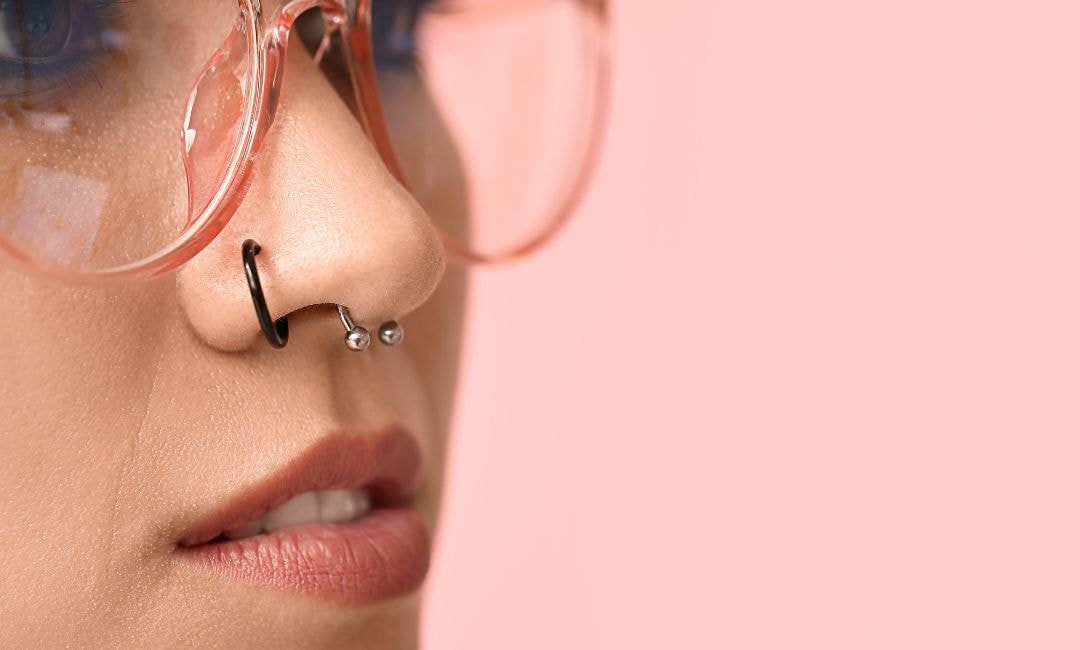
- Nostril (4/10): A brief sting through thin cartilage. Your eyes will water. That’s involuntary and happens to everyone because of the nerve connection to your sinuses.
- Septum piercing (6/10): When done correctly, the needle passes through the sweet spot, a thin membrane of tissue just below the hard cartilage. Hit that spot, and it’s a fast, sharp sensation that fades in seconds. Miss it, and it’s a very different story.
- High nostril piercings (6–7/10): Placed higher on the nose where cartilage is thicker. The initial piercing process is manageable, but the healing process tends to be longer and more uncomfortable.
Lip and Tongue Piercings: Surprisingly Manageable
Most people expect lip and tongue piercings to be high on the pain scale. They’re usually not.
- Lip / Labret (3/10): Fleshy tissue with no cartilage. Quick sting, some swelling for the first few weeks, and then you’re good.
- Tongue piercings (4/10): The needle goes through muscle, but because it’s so fast and precise, most piercings hurt less than people anticipate. The real discomfort comes from swelling during the first 3 to 5 days.
Body Piercings: Where Things Get Real
Below the neck is where the most painful body piercings live.
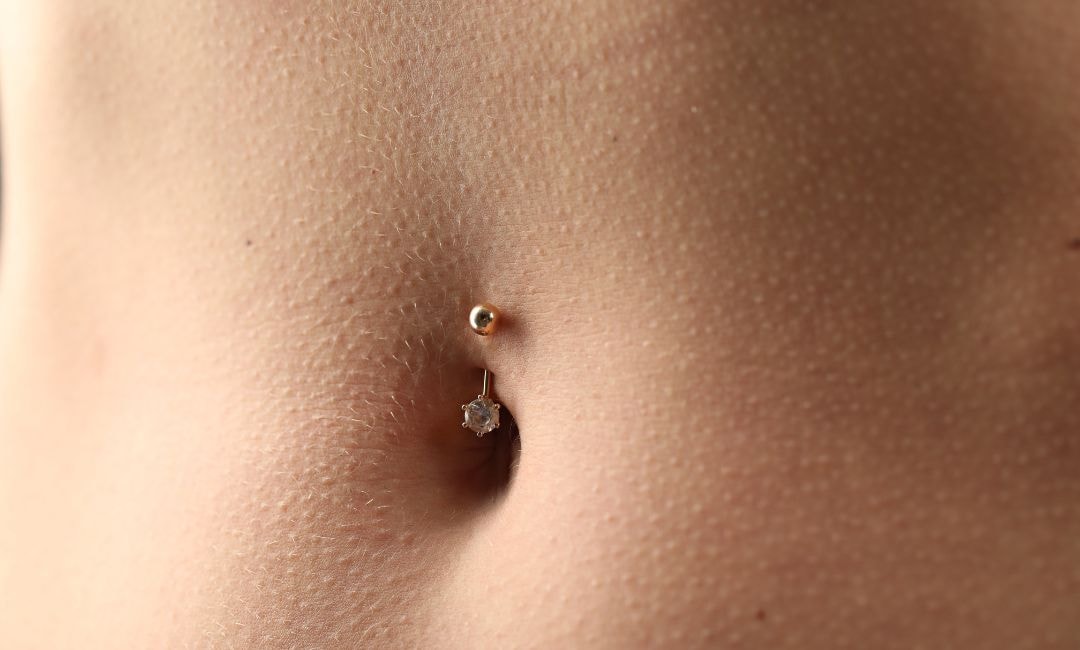
- Belly button piercings (3/10): The belly button area is fleshy and not very nerve-dense. You’ll feel pressure and a sting, but it’s low pain overall. A curved barbell is the go-to jewelry here because it reduces irritation during healing.
- Dermal piercings (7/10): Unlike most piercings that enter and exit, dermal piercings go under the skin. A pocket is created, and jewelry is inserted downward into it. The process takes longer, and the pain reflects that.
- Nipple piercings (8–9/10): The first nipple is always the worst because you don’t know what’s coming. The second one benefits from adrenaline kicking in. Regardless, this is one of the most painful body piercings because the area is extremely nerve-dense. The aesthetic payoff is worth it for many, but the healing time runs 9 to 12 months with proper care.
- Genital piercings (9–10/10): From a Prince Albert to a clitoral hood to a deep shaft piercing, these land at the very top of the pain scale. The nerve density here is the highest on the body. These require an experienced professional piercer and strict aftercare instructions.
How Your Piercer’s Skill Affects Pain
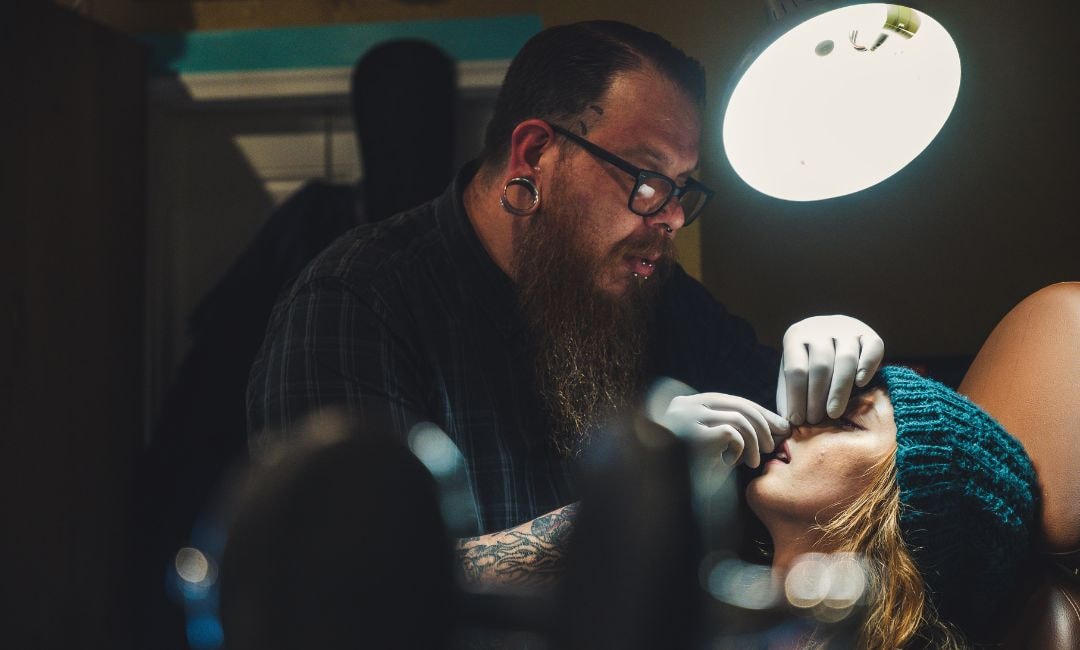
Here’s something that doesn’t get talked about enough: who does your piercing matters almost as much as where you get it.
Technique Makes or Breaks It
A skilled piercer works with confidence and precision. They use a single, smooth motion to push the needle through, which keeps the pain short and controlled. An inexperienced piercer might hesitate, reposition, or move too slowly. That turns a two-second sting into a drawn-out, throbbing ordeal.
The difference in pain level between a great piercer and a mediocre one can be 1 to 2 full points on the pain scale. That’s significant when you’re already getting something that piercings tend to make uncomfortable.
Needles vs. Piercing Guns
This one is non-negotiable. Professional piercers use hollow needles, not piercing guns. Here’s why:
- Needles create a clean, precise channel through the tissue. Less trauma, less pain, faster healing.
- Piercing guns use blunt force to push a stud through your skin. They can’t be fully sterilized, they cause more tissue damage, and they should never be used on cartilage. Guns can actually shatter cartilage and lead to painful complications.
The Association of Professional Piercers (APP) recognizes needles as the only safe piercing method.
What to Look for in a Piercer
Before you sit in anyone’s chair, check for these:
- Licensing and certification from your state or local health department
- Sterile, single-use equipment for every client
- A clean, organized studio that feels more like a medical environment than a back room
- Willingness to answer your questions without rushing you
At Loyal 2 The Coil, our piercing artists, including Casey, Mikaila, and Cristen, specialize in everything from simple ear piercings to custom body piercing work. They walk you through the entire process, explain what you’ll feel, and use precise techniques to keep your pain as low as possible. Both our North Fort Myers and Edison Mall locations are open 7 days a week, and walk-ins are always welcome.
Tips to Reduce Piercing Pain and Heal Faster
You can’t eliminate pain entirely. But you can control how much of it you feel and how quickly your body bounces back. These tips are backed by piercing professionals and the APP.
Before Your Appointment
- Eat a full meal 1 to 2 hours before. Low blood sugar makes you more sensitive to pain and increases the risk of feeling lightheaded.
- Stay hydrated. Dehydrated skin is harder to pierce and slower to heal.
- Get a full night’s sleep. Fatigue lowers your pain tolerance. Show up rested.
- Skip the alcohol and caffeine. Both thin your blood, which means more bleeding and potentially more swelling.
- Choose your piercer carefully. Everyone’s pain tolerance is different, but a skilled piercer consistently delivers a smoother experience for most clients.
During the Piercing
- Breathe. Slow, steady breaths keep your muscles relaxed and reduce how intensely you feel the needle.
- Don’t tense up. Clenching your jaw or gripping the chair tightens the tissue, which makes it harder for the needle to pass through.
- Trust the process. The actual piercing process lasts only a few seconds. The anticipation is almost always worse than the needle itself.
Aftercare That Speeds Up Healing
This is where most people mess up. A new piercing is an open wound, and how you treat it determines everything.
- Clean with sterile saline solution twice daily. The APP recommends a wound wash saline with 0.9% sodium chloride and no additives. Brands like NeilMed Wound Wash are widely recommended.
- Do not rotate or twist the jewelry. This is outdated advice that actually irritates the healing tissue.
- Keep your hands off. Only touch the piercing with freshly washed hands during cleaning.
- Avoid submerging it in pools, lakes, or hot tubs until fully healed.
- Skip hydrogen peroxide, rubbing alcohol, and antibiotic ointments. These are too harsh and can dry out or damage healing skin.
- Wear loose clothing around body piercings, like belly button piercings and nipple piercings, to prevent snagging and friction.
Healing time varies by piercing location. Earlobes take about 6 weeks. Cartilage can take 6 to 12 months. Piercings may look healed on the surface, while the inside is still fragile. Be patient and follow your aftercare instructions for the full duration.
When Pain Is Normal vs. a Red Flag
Some discomfort after a piercing is expected. But there’s a clear line between normal healing and something that needs attention.
What’s Normal in the First Few Weeks
Every new piercing comes with a short adjustment period. You can expect:
- Mild redness and slight swelling around the piercing site
- Tenderness when the area is bumped or pressed
- A small amount of clear or light yellow fluid (this is lymph, not pus)
- Light crusting around the jewelry, especially in the morning
- Occasional itching as the tissue heals
These symptoms should gradually improve with each passing week. If they’re getting better, you’re on track.
When to Be Concerned
True infections and serious complications look and feel noticeably different. Watch for these warning signs:
- Pain that gets worse instead of better after the first 7 to 10 days
- Redness that spreads beyond the immediate piercing area
- Thick yellow, green, or blood-streaked discharge with a foul smell
- The area feels hot to the touch and increasingly swollen
- Fever or chills that develop after getting pierced
- The jewelry becomes embedded in swollen tissue
If you notice any of these symptoms, do not remove the jewelry yourself. Taking it out can trap the infection under the skin and make it worse. Instead, contact your piercer or visit a healthcare provider. Cartilage ear piercings are especially prone to complications when infections go untreated, potentially leading to a condition called perichondritis.
Most piercings heal smoothly with proper care and a little patience. But your body sends clear signals when something isn’t right. Listen to it.
Ready for a Piercing? Loyal 2 The Coil Has Your Back
Every piercing comes with some level of pain. That’s just the deal you make when you sit in the chair. But knowing what to expect, choosing the right placement for your comfort level, and trusting a skilled piercer transforms the experience from nerve-wracking to genuinely exciting.
Here’s what to remember:
- Piercing location, nerve density, and tissue type determine how much it hurts
- Cartilage piercings hurt more than fleshy areas and take significantly longer to heal
- Your piercer’s technique can shift your pain level by 1 to 2 full points on the scale
- Sterile saline solution and a hands-off approach are the gold standard for aftercare
- Normal healing includes mild redness and clear fluid; spreading redness, fever, or thick discharge means something is wrong
If you’re in Fort Myers, North Fort Myers, Lehigh Acres, Cape Coral, or anywhere in Lee County and want a piercing done safely by experienced professionals, Loyal 2 The Coil is here for you. Our team handles everything from your first lobe piercing to the other ear and beyond.
We also offer free consultations if you want to talk through pain expectations before committing. Call us at (239) 997-8287 or stop by either location. No appointment necessary.
Painful Piercing FAQs
What Is the 3 Piercing Rule?
It’s a guideline that recommends no more than 3 piercings per session. Each piercing triggers inflammation, and your body can only heal so many wounds effectively at once. Stacking too many increases swelling, slows healing, and raises the risk of complications.
What Piercings Are the Worst to Heal?
Industrial piercings top the list. The two connected holes mean irritation in one affects the other, and healing takes 6 to 12 months. Rook piercings, nipple piercings, and high nostril piercings also tend to give people a rough time due to thick cartilage or constant friction from clothing.
What Piercing Rejects the Most?
Surface piercings and dermal piercings. Because they sit just under the skin on a flat surface, your body often treats the jewelry as a foreign object and slowly pushes it out. Eyebrow piercings and navel piercings on shallow anatomy are also common rejection candidates.
What Is the Least Hurting Piercing?
The standard earlobe piercing, hands down. It rates just 1 to 2 out of 10 on the pain scale. The tissue is soft, nerve endings are minimal, and the whole thing feels like a quick pinch. Lip and belly button piercings are close runners-up at around 3 out of 10.
What’s the Worst Spot to Get a Piercing?
Genital piercings are the most painful spot on the body due to extreme nerve density. For ear-specific piercings, the industrial piercing takes the crown with two cartilage punctures in one sitting and a notoriously long healing process.


