


You just walked out with fresh ink, and now you’re wondering if that slight tenderness is normal. Tattoo healing isn’t a one-size-fits-all timeline, and what worked for your friend’s tiny wrist tattoo won’t apply to your full sleeve.
Most artists give you the standard “2-4 weeks” answer, but that barely scratches the surface. Your healing journey depends on everything from placement to your immune system—and yes, even what you had for breakfast matters.
Here’s what we’ll cover:
- The actual healing timeline (spoiler: it’s longer than you think)
- Red flags that scream “call your artist NOW”
- Recovery hacks that actually work vs. internet nonsense
- Why some tattoos heal faster than others
At Loyal 2 The Coil, we’ve seen thousands of tattoos through their healing journey across our Fort Myers and North Fort Myers shops. Our artists don’t just create stunning work—they’re with you every step of the recovery process.
The Actual Healing Timeline
That “2-4 weeks” timeline your artist mentioned? That’s just the surface healing. Your tattoo goes through three distinct phases, and each one needs different care.
Week 1: The Fresh Wound Phase
Days 1-3 are when your tattoo feels like a sunburn had a baby with road rash. You’ll see:
- Clear plasma oozing (totally normal)
- Slight swelling and redness
- That “tight” feeling when you move
By days 4-7, things get interesting. Your tattoo starts developing a thin, shiny layer—what we call the “onion skin” phase. Don’t panic if it looks dull or cloudy. That’s your body doing its job.
Weeks 2-3: The Itchy Truth
This is when willpower gets tested. Your tattoo will:
- Flake like a molting snake
- Itch worse than poison ivy
- Look patchy and uneven
Pro tip: When clients at our North Fort Myers location hit this phase, we tell them to gently pat (never scratch) with clean hands. One client described it perfectly: “It’s like having chickenpox you paid for.”
Weeks 4-6: The Settling Period
Surface healing wraps up, but your skin’s still rebuilding underneath. Colors might look slightly faded, and that’s completely normal. Your body’s essentially renovating from the inside out.
The Hidden Timeline: Deep Healing
Here’s what most people don’t tell you—full healing takes 3-4 months. During this time:
- Your skin rebuilds its deeper layers
- Colors settle into their final vibrancy
- The tattoo becomes truly part of your skin
Different body parts heal at different speeds. That rib piece? Add an extra week. Fingers and feet? They’re the slow kids in class—expect 6+ weeks for surface healing alone.
At Loyal 2 The Coil’s Edison Mall location, we’ve tracked healing times across thousands of tattoos. The verdict? Location matters more than size. A palm-sized thigh tattoo often heals faster than a tiny finger design.
Red Flags That Scream “Call Your Artist NOW”
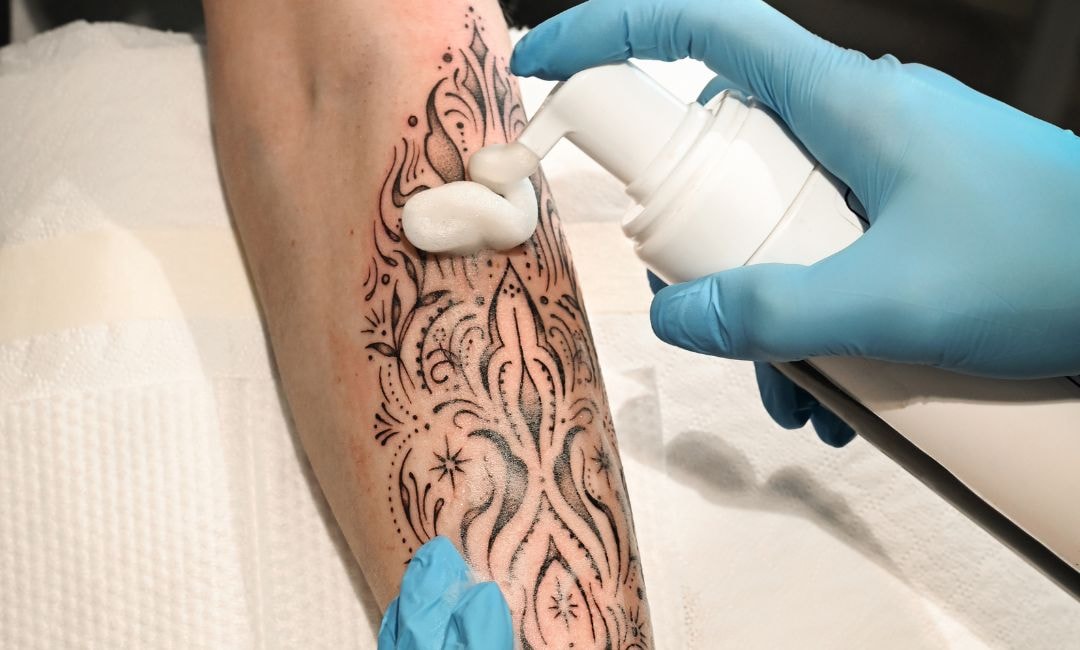
Your new tattoo is basically an open wound, and sometimes things go sideways. Here’s when to stop Googling and start dialing.
The “This Ain’t Right” Checklist
Infection Signs (call immediately):
- Red streaks spreading from the tattooed area
- Pus that’s yellow, green, or smells funky
- Fever over 102°F
- Puffy skin that keeps getting worse after day 3
One client came to our North Fort Myers shop with what they thought was normal swelling. Turns out, they’d been soaking in hot tubs three days post-tattoo. The surrounding skin had developed a nasty infection that needed medical attention.
Allergic Reaction Alert
Red tattoo ink causes the most allergic reactions—usually showing up as:
- Raised, itchy bumps that won’t quit
- Rash spreading beyond the tattoo
- Swelling that gets worse, not better
The 48-Hour Rule: Most normal healing symptoms peak at 48 hours and then improve. If anything’s getting worse after two days, your tattoo artist needs to know.
When “Healing” Goes Wrong
Sometimes your immune system throws a tantrum. Watch for:
- Excessive scabbing (thicker than a nickel)
- Tattoo looking “melted” or blurry
- Colors bleeding into each other
- Dry skin that cracks and bleeds
These issues can delay healing and mess with your final results. At Loyal 2 The Coil, we’ve seen it all—and caught problems early because clients weren’t shy about checking in.
Recovery Hacks That Actually Work vs. Internet Nonsense
The internet’s full of “miracle” healing tips. We’ve tested them all (so you don’t have to).
What ACTUALLY Speeds Healing
The Holy Trinity:
- Clean it right: Gently wash with fragrance-free soap twice daily. Skip the antibacterial soap—it’s too harsh for healing tattoos.
- Moisturize smart: Apply ointment sparingly. A thin layer is plenty. Your tattoo needs to breathe.
- Leave it alone: The hardest part of the tattoo healing process? Not touching it.
The Sleep Hack: Wrap your tattoo in plastic wrap for the first 2-3 nights. Sounds weird, but it prevents your sheets from sticking to the healing tattoo and ripping off scabs. Just remember—daytime needs airflow.
Nutrition That Works
Your immune system needs fuel to heal properly:
- Protein (speeds skin repair)
- Vitamin C (collagen production)
- Zinc (immune boost)
- Water, water, water
Internet Myths to Ignore
- “Vitamin E oil makes tattoos heal faster.” Nope. It can actually cause reactions and delay healing.
- “Keep it covered for two weeks.” Your tattoo needs oxygen. After the first few days, let it breathe.
- “Swimming pools are fine after a week.” Chlorine and healing tattoos are enemies. Wait until you’re fully healed (4-6 weeks minimum).
- “Antibiotic ointment all day, every day.” Too much creates a moisture barrier that can make your tattoo take to heal even longer. Some skin begins to break down with overuse.
The Aftercare Routine That Works
Here’s what we recommend at both our locations:
Days 1-3:
- Wash 2-3x daily with fragrance-free soap
- Pat dry (never rub)
- Ultra-thin layer of recommended ointment
Week 2+:
- Switch to unscented lotion
- Keep out of direct sunlight
- No soaking (showers only)
The Golden Rule: If it feels wrong, it probably is. Your body knows when something’s off during the healing process.
Remember, every tattoo heals differently. What helps your tattoo heal completely might depend on placement, size, and your body’s unique response. When in doubt? Hit up your artist. At Loyal 2 The Coil, we’re always just a message away—because your healing journey matters as much as the ink itself.
Why Some Tattoos Heal Faster Than Others
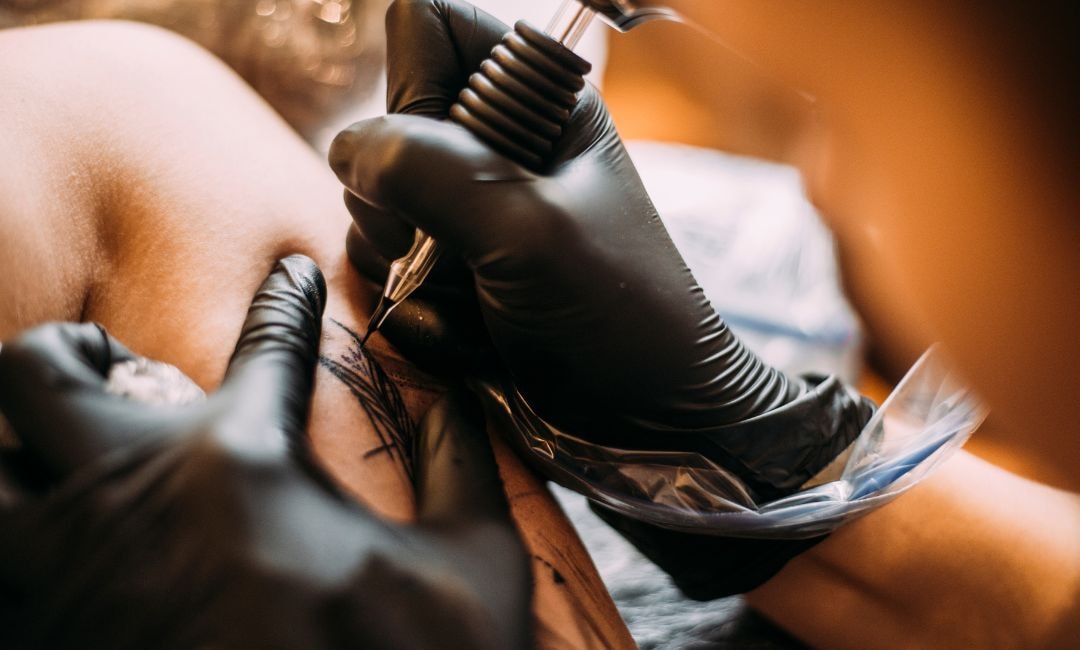
Your buddy’s forearm piece healed in three weeks while your ankle tattoo took two months. What gives? The truth is, many factors determine how fast your new ink settles in.
Location
Areas with good blood flow heal like champions. Your upper arms, thighs, and back? They’re the overachievers. But spots where skin stretches, bends, or rubs against clothing? They’re playing the long game.
Fast healers:
- Upper arms/shoulders
- Thighs
- Back
- Calves
Slow pokes:
- Hands and feet (constant movement)
- Joints (elbows, knees, wrists)
- Ribs (breathing = constant motion)
- Anywhere clothing rubs
Your Body’s Healing Style
Some people are just blessed with wolverine-level healing. It comes down to:
- Age (younger = faster healing)
- Overall health
- Hydration levels
- Sleep quality
- Stress levels
Getting a tattoo when you’re run down? Your immune system’s already busy, so healing takes a backseat.
Size and Saturation Matter
A tiny line-work piece will heal faster than a fully saturated color piece. Why? Less skin trauma = quicker recovery. Heavy black work or color packing means multiple passes over the same area, creating more damage that needs repair.
Generally speaking, each layer of skin needs time to rebuild. The deeper the ink goes, the longer the journey.
The Aftercare Factor
Here’s where you control your destiny. Poor aftercare can double healing time, while proper care keeps everything on track.
Healing killers:
- Petroleum-based products (suffocate the tattoo)
- Over-moisturizing (creates extra moisture that breeds bacteria)
- Sun exposure (UV rays are kryptonite to healing tattoos)
- Picking at scabs (resets the healing clock)
We’ve seen clients at our Edison Mall location turn a 4-week heal into 8 weeks just by picking at the peel stage. That burning sensation you feel? That’s your skin begging you to stop.
Environmental Factors
Where you live and work matters:
- Humid climates = longer healing (excess moisture)
- Dusty/dirty environments = infection risk
- Cold, dry air = excessive scabbing
- Office job vs. construction = huge difference
One client who works in construction started wearing second skin products during the first week—a game changer for keeping dirt out while the tattoo isn’t healing yet.
The First Few Hours Set the Tone
What happens immediately after getting a tattoo can vary depending on your artist’s method. Some wrap in plastic, others use special bandages. But those first few hours are crucial—that’s when your body starts the healing process, and oozing fluid is normal.
Pro tip: Follow YOUR artist’s specific instructions. What works for one shop might not work for another, and your tattoo aftercare should match the method used to create your tattoo.
Ready to Keep Your Tattoo Looking Fresh With Loyal 2 The Coil?
Healing is just the beginning of your tattoo journey—and knowing how long does a tattoo really take to heal sets realistic expectations. While surface healing happens in two to four weeks, proper skin care extends far beyond those first few weeks. Having the right team to guide you through keeping your tattoo clean makes all the difference.
Key takeaways:
- Full healing takes 3-4 months (not 2-4 weeks)
- Location affects healing time more than size
- Your aftercare routine is an essential part of the process
- Red flags need immediate attention—don’t wait
- Everybody heals differently
At Loyal 2 The Coil, our artists don’t just create incredible tattoos—they guide you through every stage of healing. With two convenient Lee County locations and artists who genuinely care about your results, you’re never alone in your healing journey. Your new tattoo deserves expert care from day one.
FAQs
When can I apply sunscreen to my healing tattoo?
Wait until your tattoo is fully surface healed (usually 3-4 weeks). Before that, keep your tattoo covered with clothing when outside. Once healed, sunscreen becomes your tattoo’s best friend for life.
Is severe itching normal during healing?
Yes, especially during week 2-3 when your tattoo starts to peel and naturally exfoliate. Pat gently with clean hands or apply a cold compress. If itching comes with raised bumps or a spreading rash, that’s an early sign of an allergic reaction.
Can I use warm water to wash my tattoo?
Lukewarm is best—hot water can open pores and cause excessive oozing fluid. Think comfortable shower temperature, not hot tub heat. Always pat dry, never rub.
What if my tattoo has slight inflammation after a week?
Some inflammation during the first week is normal as your skin heals. But if it’s getting worse instead of better, or you notice red streaks spreading from the tattoo, contact your artist immediately.
Should I keep my tattoo moist all the time?
No! Over-moisturizing creates extra moisture that can delay healing and breed bacteria. A thin layer of lotion 2-3 times daily is plenty. Your tattoo needs to breathe to remain intact.
How do I know if my tattoo isn’t healing properly?
Watch for excessive scabbing, foul smell, yellow/green discharge, or colors that look “muddy” after two weeks. Normal healing shows steady improvement—anything getting worse needs attention from your tattoo artist or doctor.


